
A Worldwide Art Movement Started in 2000
Reframing Humanity's Oldest Taboo through the Body's Magnetic Medium
by Vanessa Tiegs (Venus Geist)
Former Ballerina, Magnetic Astrologer,
Originator of Menstrala, Monthmatics & La Menstra
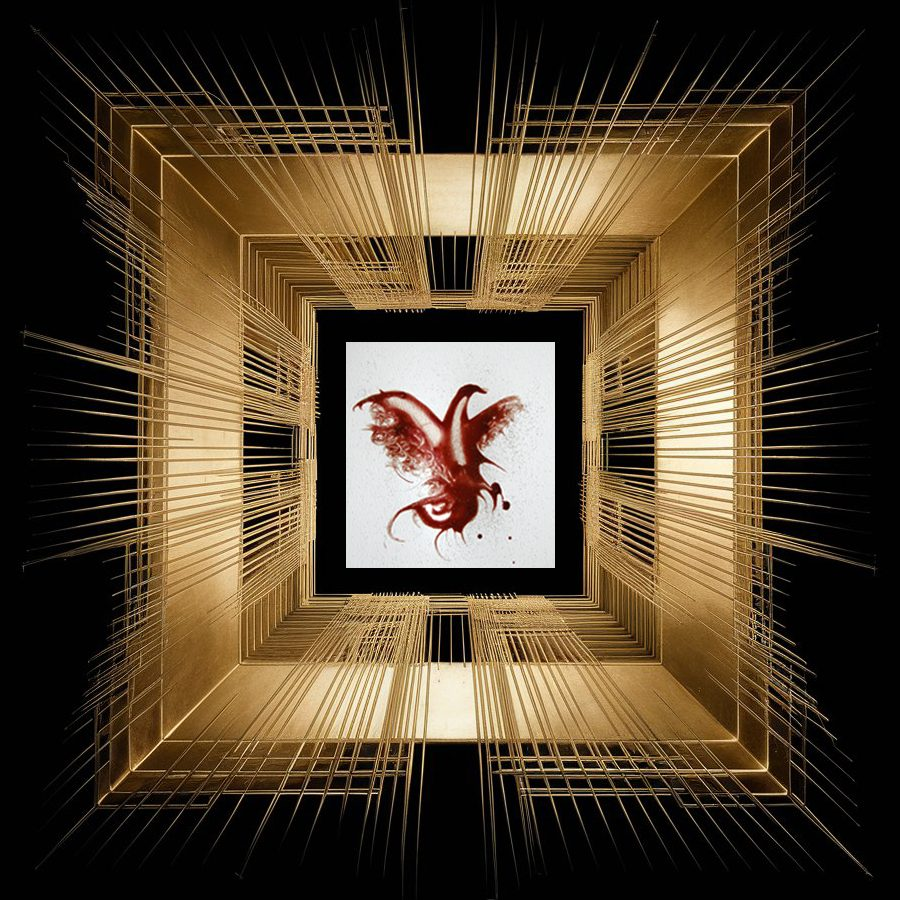
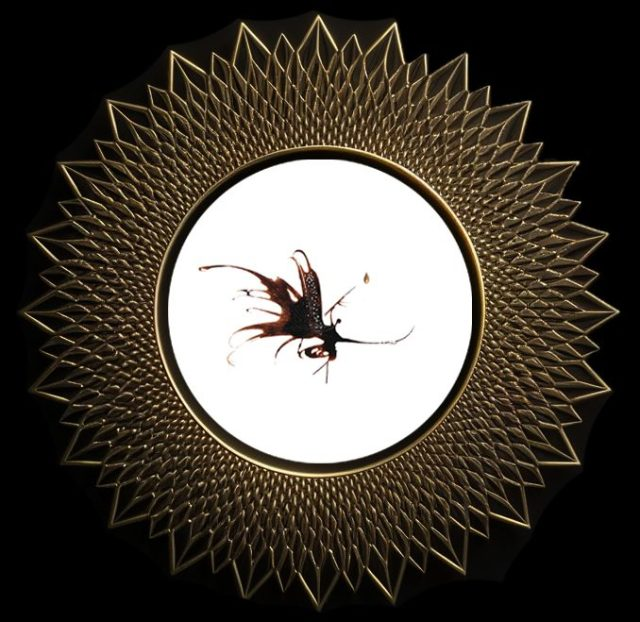
Galaxy Crossing, the iconic painting of the Menstrala Art Movement representing the phoenix rising from menstrual blood painted on October 18, 2002.
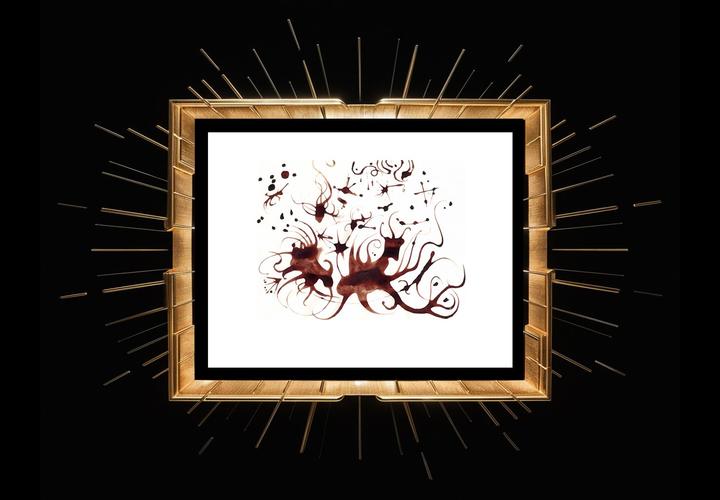
Silverfish Spirits, the first of 88 Menstrala created at the turn of the millennium in September 2000.
What is Menstrala
Menstrala is a living archive of menstrual‑blood paintings created between 2000 and 2003 — eighty‑eight original works that transformed a private biological cycle into a public aesthetic force. It reframed menstrual blood not as waste, shame, or secrecy, but as a magnetic medium, capable of imprinting the cyclical intelligence of the body onto paper.
Each work is a field trace — a toroidal imprint of movement, breath, rhythm, and intention — created through the body’s own electromagnetic signature. Menstrala became the first art movement in history to treat menstrual blood as a legitimate artistic medium, a cosmological language, and a site of cultural reclamation..
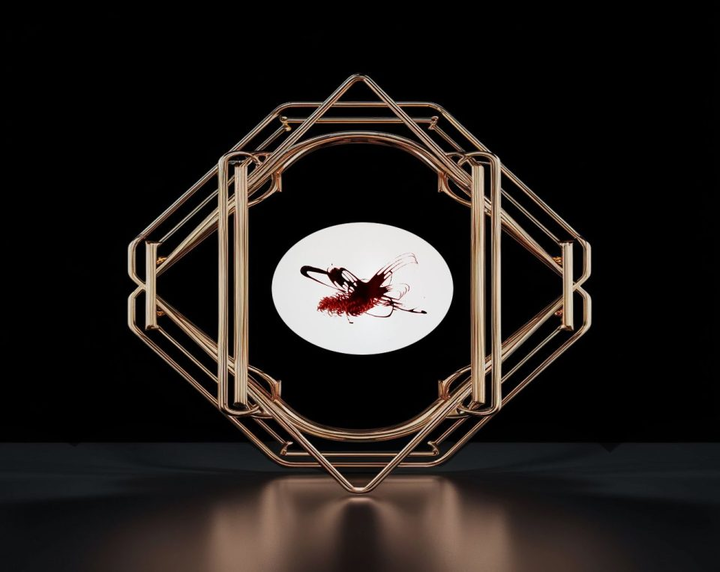
Menstrala: October Flight, requested & served to the Vatican's website domain less than a month after being published in October 2002.
Origins of the Movement (2000-2003)
Menstrala emerged at the turn of the millennium, during a cultural moment when the menstrual cycle was still largely hidden, medicalized, or stigmatized. Through disciplined artistic practice, Vanessa Tiegs generated a body of work that broke the taboo not through provocation, but through beauty, geometry, and field coherence.
The movement quickly gained international attention, inspiring dialogue across art, feminism, anthropology, and embodied cosmology. Today, Menstrala stands as a foundational archive in the global history of menstrual art.
Why Menstrala Matters
Menstrala restores the menstrual cycle to its rightful place as a source of intelligence, not a site of shame.
It offers:
A new aesthetic vocabulary
A new cosmological framework
A new cultural relationship to the body’s magnetic field
A new lineage of menstrual literacy
It is both an art movement and a cultural correction.
Explore Menstrala
Navigate the full Menstrala constellation through the pages below:
The Menstrala Story — the origin, history, and cultural emergence of the movement
The Menstrala Gallery — the 88 original works and their series
The Menstrala Method — medium, process, field dynamics, and toroidal imprint
Artist Statement — the philosophical and aesthetic foundation
Press & Publications — articles, interviews, and catalog essays
Permissions & Licensing — usage, reproduction, and exhibition rights
Contact for Exhibitions — inquiries for galleries and institutions
A Note on Authorship
Menstrala is an original, singular body of work created solely by Vanessa Tiegs. All artworks, digital versions, and derivatives — including AI‑generated forms — are protected by copyright and require explicit written permission for any use.
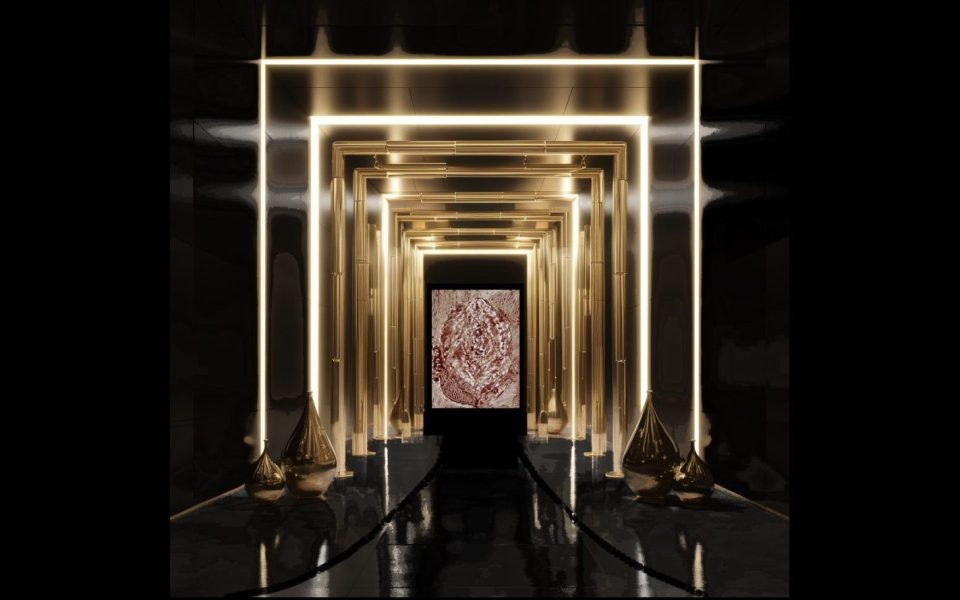
Menstrala: Ruby Red, recently featured in the online gallery, "Art's Missing Period" produced by Kotex in April 2026.
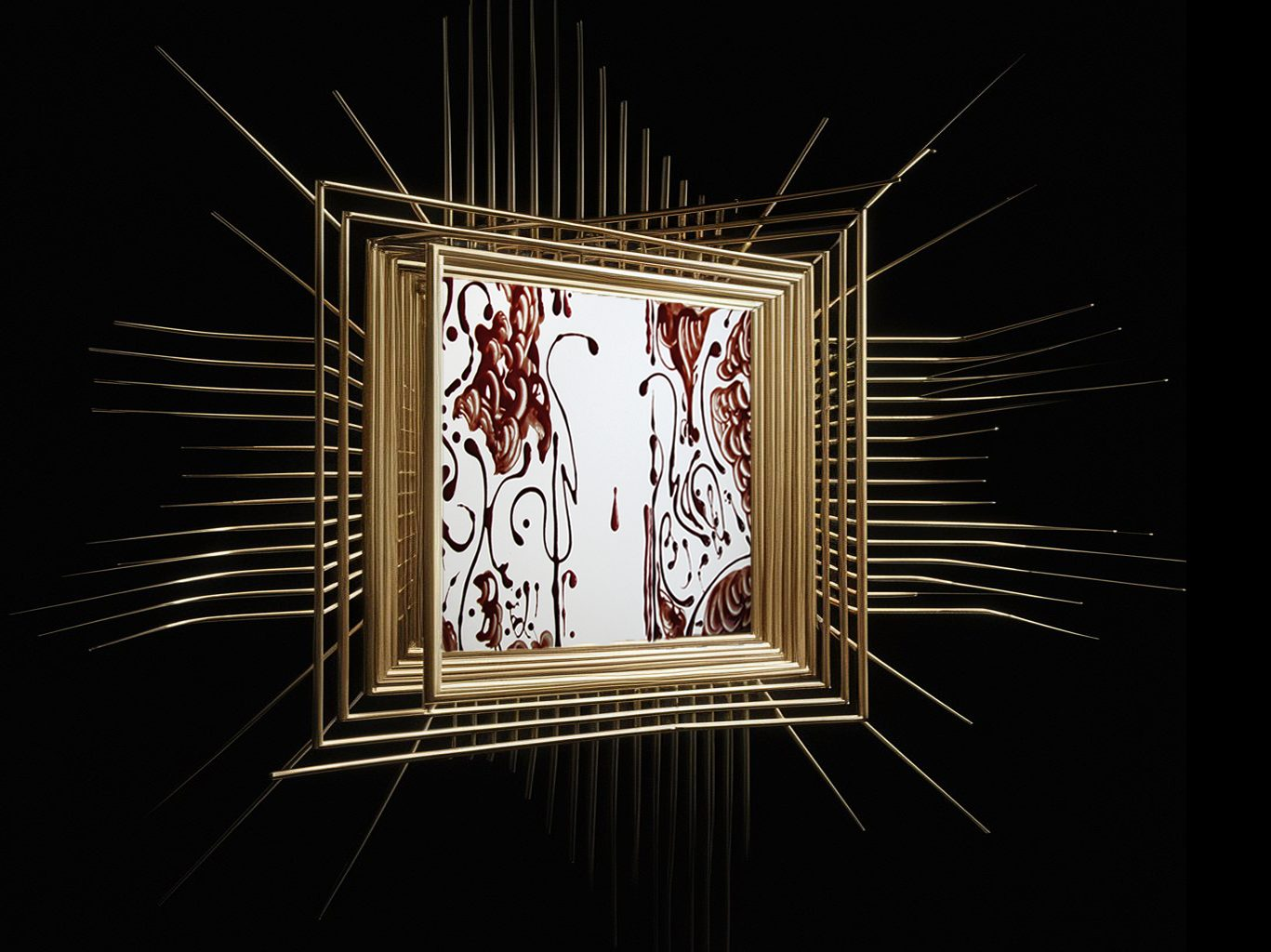
Silverfish Spirits
In September 2000, nine months into the turn of the millennium and at the age of 33, Vanessa Tiegs published the 1st of her 88 Menstrala paintings while earning her master's degree in Women's Spirituality at New College of California in San Francisco with thesis advisor, Judy Grahn, PhD, author of Blood, Bread & Roses: How Menstruation Created the World (1993).
Vanessa had spent the 90's decade visiting Neolithic archaeological sites across Old Europe (as far south as Malta, Sardinia & Crete to as far east as Prague). She even entered The Hal Saflieni Hypogeum in Malta, during its 10-year long conservation project before it reopened to the public in 2000.
Her curiosity led her to study Hellenistic Astrology, lunar cycles, Jungian archetypal psychology and the menstrual cycle. This exploration inspired her monthly mandalas which eventually became her art collection of 88 Menstrala. She uploaded her artworks, which she called "pain things" at the time, to LiveJournal.com, one of the earliest blogs to exist on the worldwide web. She also answered her viewers' most FAQ.
A Journal of Pain Things
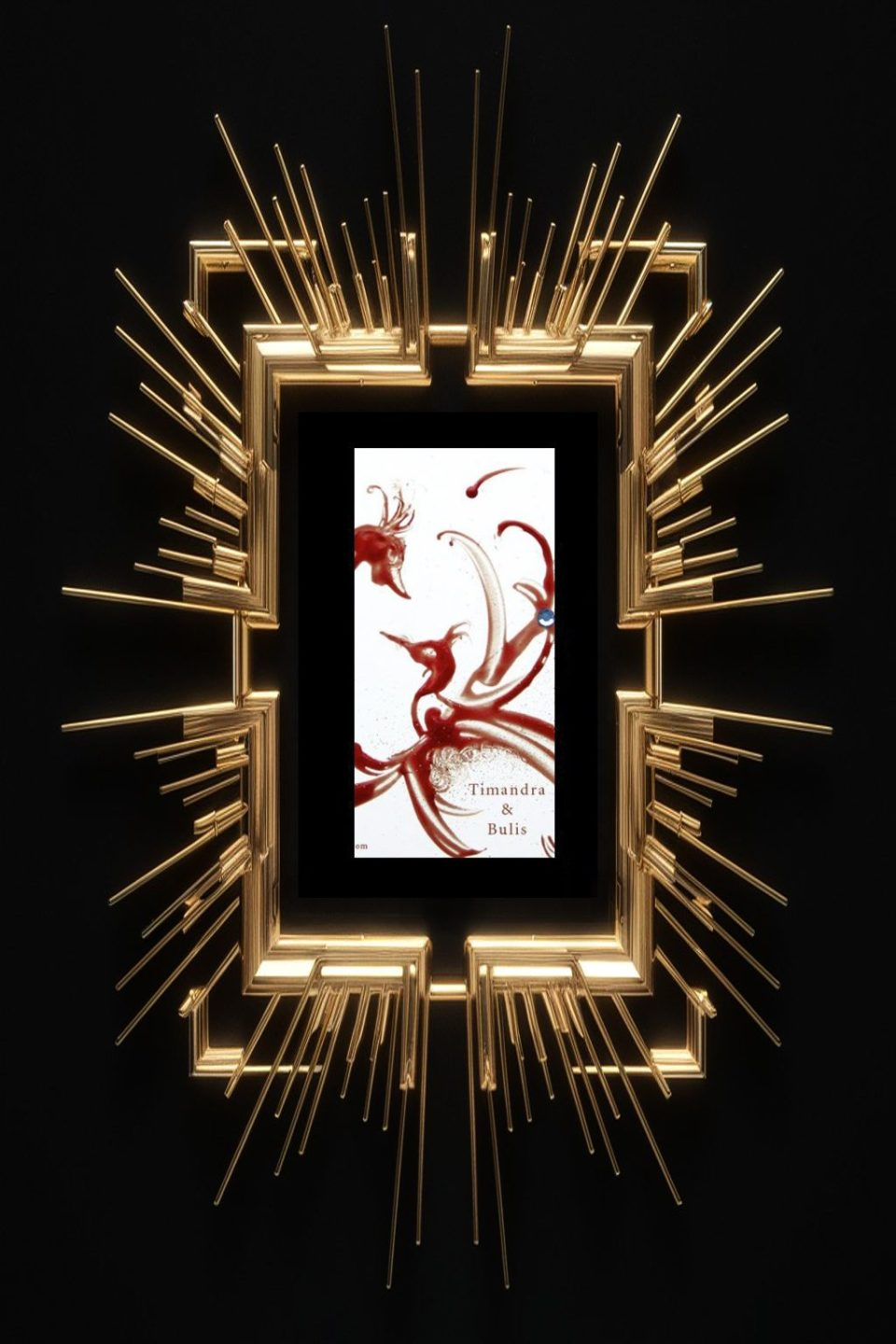
What began as A Journal of Pain Things, grew into a grassroots art movement. Someone reposted her paintings on Metafilter.com. Consequently, satirical memes sent Ruby Red, Timandra & Bulis and Before My Door to wider audiences. The exposure prompted social experiments, such as a two-time attempted print exhibit onboard the United States Navy Supercarrier, USS Kitty Hawk (CV-63) in 2003. In 2009, Dave Navarro, the guitarist in the rock band Red Hot Chili Peppers reached out to do an art collab in San Francisco.
Checked Out by The Vatican
The biggest surprise for Menstrala came on November 9th, 2002. Less than a month after it was published online, the Vatican's website domain requested and served October Flight.
Menstrala: October Flight, requested & served to the Vatican's website domain less than a month after being published in October 2002.
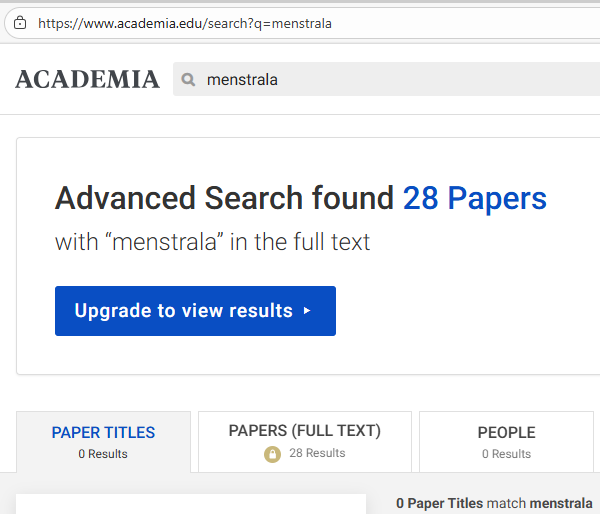
Today, more than 200 academic publications mention the artist and 28 papers already exist with "Menstrala" in the full text according to Academia.edu the website used by thousands of universities around the world.

Artist's Statement:
Why I Painted with the Forbidden Medium
The medium is the message.
As a fertility signal, menstrual blood imparts deep psychological impact on human consciousness. It is rooted in humanity's memory; the first scent at birth is mother's blood.
All blood is mother's menstrual blood.
To most, the slightest mention leaves a stigma the likes of social suicide.
During her monthly renewal, her menstrual blood inevitably drips onto her fingertips and behind private doors she deals with washing and flushing it away. Women are not supposed to realize its nutrients can revive dead plants or fertilize soil. As many as 500 menstruations are conceivable over the course of her life if menarche starts at age 10, menopause sets in by 50, and she does not give childbirth or have a hysterectomy.
The hidden origins of the taboo could annihilate pubescent embarrassment in an instant, if it were taught.
As the mother of Menstrala, my artworks set the stage for teens and young women to continue this universal academic art movement.
Rendering art using menstrual blood is now a valid chosen medium. See my Menstrala painting, "Ruby Red," featured in Kotex's recent documentary, Art's Missing Period. April 2026.
Menstruators can un-silence their periods, as menstruation is one of woman's five blood mysteries. Daughters can reclaim menstrual honor, awe, esteem, value, pride and confidence.
May more Menstrala artists (Menstralists) deconstruct the taboo and replace it with the true "fem-centric" viewpoint, which puts life into lunar cyclical time. To enable this, I invented the Monthmatics Lunarscope, a scalable digital clock face that plots events into any cycle.
The earliest sacred rites utilized menstrual blood, evidenced in Aboriginal caves depicting a woman holding her hand over her womb implying that women's menstrual blood rites were the first human rights. Cosmetics (body war paint, nail polish, tattoos, piercings and make-up) originate from cosmetikos, the ordering of chaos in the cosmos through the use of menstrual blood as a means to communicate.
Menstruating between child births, often during the dark moon phase, necessitated counting and calendaring, thus producing mathematics, which etymologically contains "mama," the first word infants most commonly can speak.
The five blood mysteries of womanhood--menarche, menstruation, hymen defloration, child birthing and menopause--remain deeply traceable at the roots of cultures worldwide. We can find the words taboo (tapua meaning sacred in Polynesian) and ritual (r'tu meaning menstrual act in Sanskrit) referring to menstrual blood. Parallel blood rites for boys & men also developed from women's menstrual rites and other sexual rites of passage. See Dr. Judy Grahn’s book, “Blood Bread & Roses: How Menstruation Created the World” (1993).
Menstrala validate using electromagnetic nutrient rich naturally shed blood plasma as a medium.
Visit Kotex's New Online Gallery
Menstrala Visually Connect the Lunar Cycles & Earth's Four Seasons

Cycle Logical Disassociation Is A Disservice to Humanity
For countless years, women have been battling chronic menstrual issues in connection with lunar cycle disassociation and insufficient cycle logical advice. For a look into new approaches, follow the ground-breaking scientifically backed work of Dr. Stacy Sims: Next Gen. The unnecessary reality of menstrual poverty around the world reveals the lack of educational programs needed to introduce and teach "mindful menstruation practices" to adolescent girls.
Setting The Stage For Girls
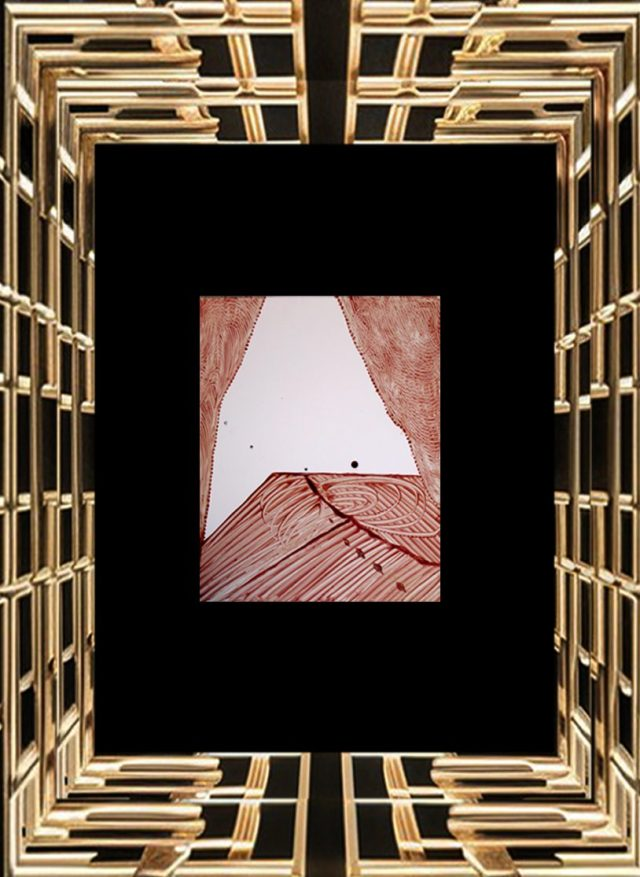
The Menstrala Art Movement sets the stage for girls, teens & young women to have a valid means of expressing their womanhood experiences so that next generations can freely self-define their reproductive cycle on their own terms, creatively, artistically & spiritually.
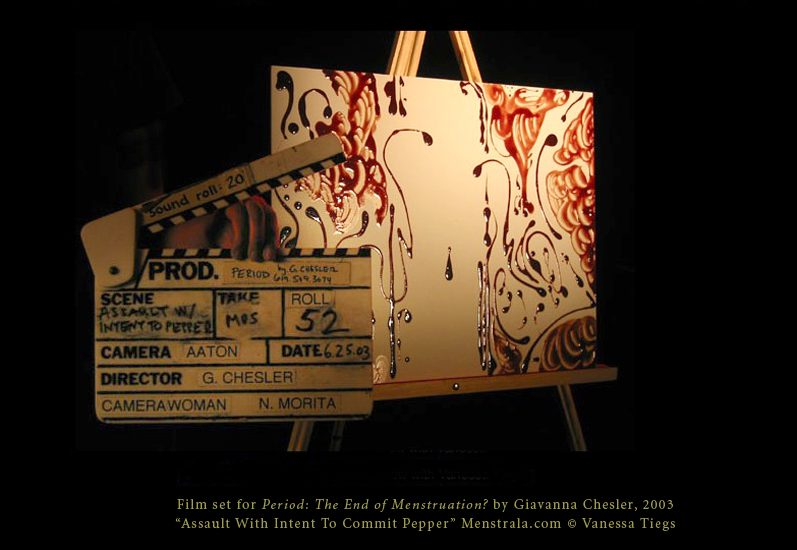
Film Appearances
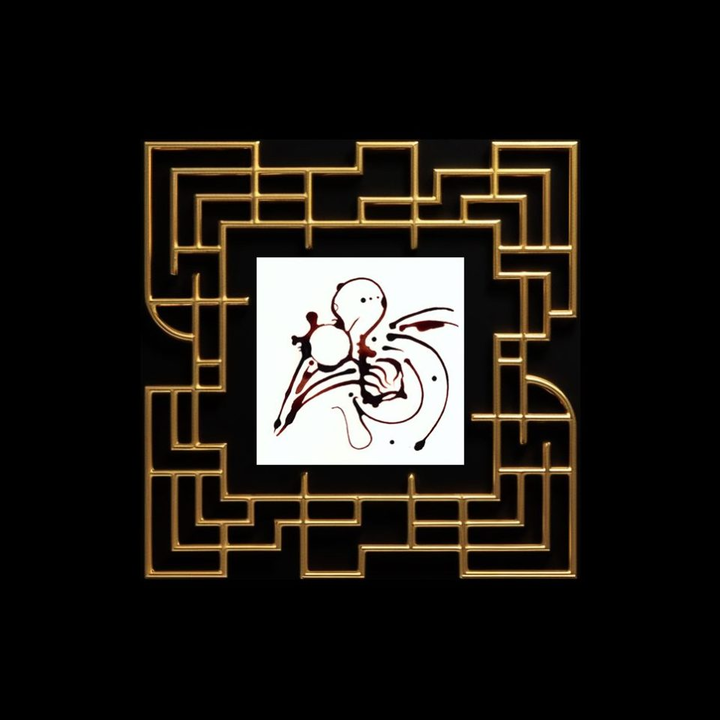
Menstrala have appeared in film productions:
Period: The End of Menstruation
Moon Inside You
A Flowering Tree
Art's Missing Period by Kotex
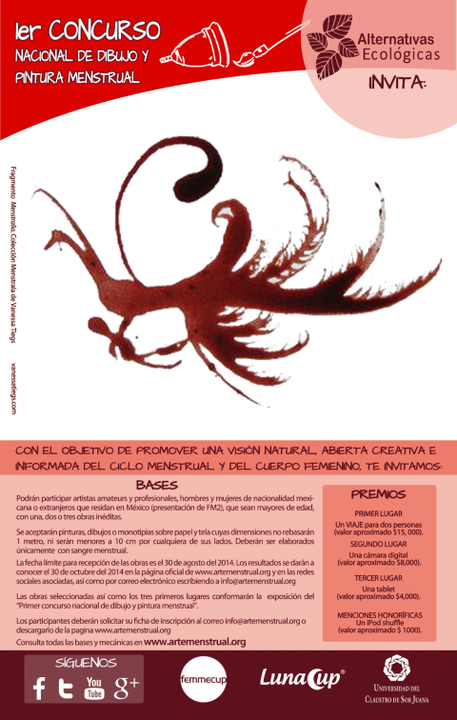
1st International Menstrala Competition, 2014
With Over 100 Entries
In 2014, the University of Mexico organized the 1st International Menstrala Competition and invited me to serve on the jury.
Value
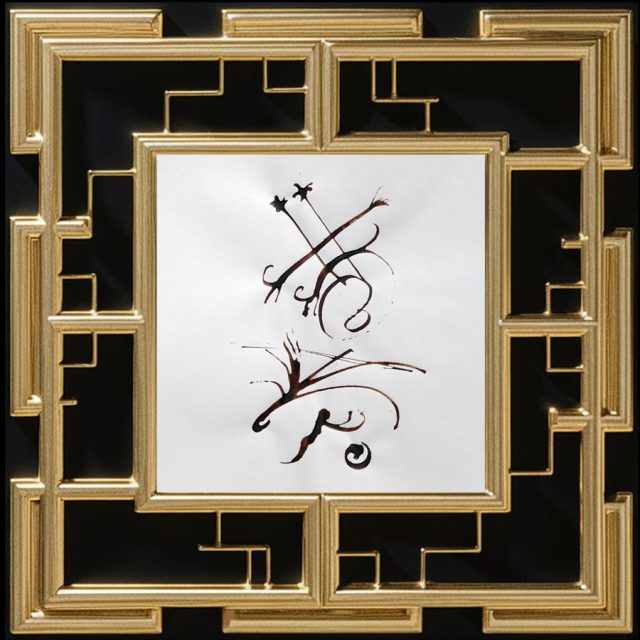
Menstrala support educational health programs, such as CeMCOR's Endowment Fund. The Centre for Menstrual Cycle & Ovulation Research at the University of British Columbia promotes new medical standards in women's health.
All Menstrala artworks — including original paintings, drawings, photographs, scans, and digital reproductions — are protected under U.S. and international copyright law. No image may be copied, reproduced, printed, exhibited, published, stored, transmitted, or used to create AI‑generated derivatives without a formal licensing agreement. Commercial use, editorial use, academic use, and AI‑training or derivative‑generation require written permission from the artist and may incur licensing and royalty fees. Unauthorized use of Menstrala artworks is strictly prohibited.
Menstrala Licensing Request Form
(For reproduction, publication, exhibition, or AI‑derivative permissions)
Please complete the information below to request permission to license, reproduce, publish, exhibit, or create AI‑generated derivatives based on artworks from the Menstrala series.